

Placencia Wildlife Guide for Curious Travelers

Placencia rewards travelers who slow down enough to look beyond the beach. This Placencia wildlife guide helps you understand what you may see in southern Belize - from rays gliding through clear Caribbean water to herons working the lagoon shallows - and, just as importantly, where wildlife encounters fit into a relaxing vacation.
The short answer is that Placencia is a strong choice for travelers who want nature to be part of the trip without building every day around a remote expedition. Marine life, coastal birds, mangroves, seagrass habitats, and offshore reef environments are all part of the region. Sightings vary with weather, season, boat routes, water conditions, and plain luck, so the most satisfying approach is to treat wildlife as a possibility to appreciate rather than a checklist to complete.
What Wildlife Can You See Around Placencia?
Placencia sits on a narrow peninsula in southern Belize, with the Caribbean Sea on one side and the Placencia Lagoon system on the other. That mix matters. The sea, lagoon, mangroves, and nearby cays support different species, meaning a quiet paddle, a beach walk, and a day on a boat can each feel distinct.
In the water, visitors may encounter nurse sharks, southern stingrays, eagle rays, sea turtles, schools of tropical fish, and occasional larger pelagic species farther offshore. Nurse sharks are often seen resting or moving slowly through shallow coastal waters. They can be exciting to observe, but they are still wild animals: give them room, never touch them, and follow the guidance of your captain or guide.
Birdwatchers have good reason to keep binoculars handy. The peninsula and lagoon habitats can attract brown pelicans, frigatebirds, egrets, herons, ospreys, kingfishers, and other coastal birds. Early morning and late afternoon are often more comfortable times to look, when light is softer and the heat is less intense. Seasonal migrations can also change what is present.
Mangroves deserve more attention than they usually get. They may not have the immediate visual appeal of bright water and sandy beaches, yet they provide shelter and nursery habitat for fish and invertebrates, while also supporting birds and helping stabilize the coast. A lagoon or mangrove outing can be a better fit than a reef-focused boat trip for travelers who enjoy birdlife, calm water, and a slower pace.
Manatees and dolphins: possible, never promised
West Indian manatees live in Belizean coastal waters and can sometimes be seen in lagoon and estuary environments around the Placencia area. Dolphins may also appear during boat travel. Neither is a dependable attraction on a fixed schedule. If seeing one is a major priority, choose a reputable wildlife-focused operator, ask what conditions have been like recently, and avoid any experience that encourages crowding, chasing, feeding, or touching animals.
That distinction matters for families especially. A child can have a wonderful wildlife day even without a manatee or dolphin appearance when the outing includes birds, mangroves, small fish, and the simple fun of being on the water.
Placencia Wildlife Guide: Choose the Right Experience
The best wildlife experience depends on the kind of vacation you want. Placencia is not a destination where every traveler should book the same excursion. Some people want an easy morning paddle followed by lunch and a swim. Others are happiest spending a full day on the water in search of reef fish and snorkeling conditions.
For a low-key nature outing, consider a guided lagoon or mangrove trip. These are generally best for travelers interested in birds, scenery, and quieter wildlife observation. Conditions can be gentler than open-water boating, though weather always matters. They also work well for multigenerational groups because the experience is less centered on swimming ability.
For marine life, snorkeling trips to appropriate offshore reef environments offer more potential for colorful fish, coral formations, rays, and other reef-associated species. The Belize Barrier Reef region is a major draw, but travelers should understand the geography: Placencia-area boat trips may travel to reef environments, while not every stay or shoreline offers direct coral reef snorkeling. Ask an operator where the trip goes, how long the ride is expected to be, what experience level is suitable, and whether equipment is included.
Kayaking and paddleboarding can reveal another side of coastal nature. In calm conditions, clear water may make it easier to notice fish, rays, or juvenile marine life below the surface. The goal should be quiet observation, not pursuit. Keep a respectful distance and avoid paddling into shallow seagrass beds where wildlife may be feeding or resting.
A practical choice for offshore island stays
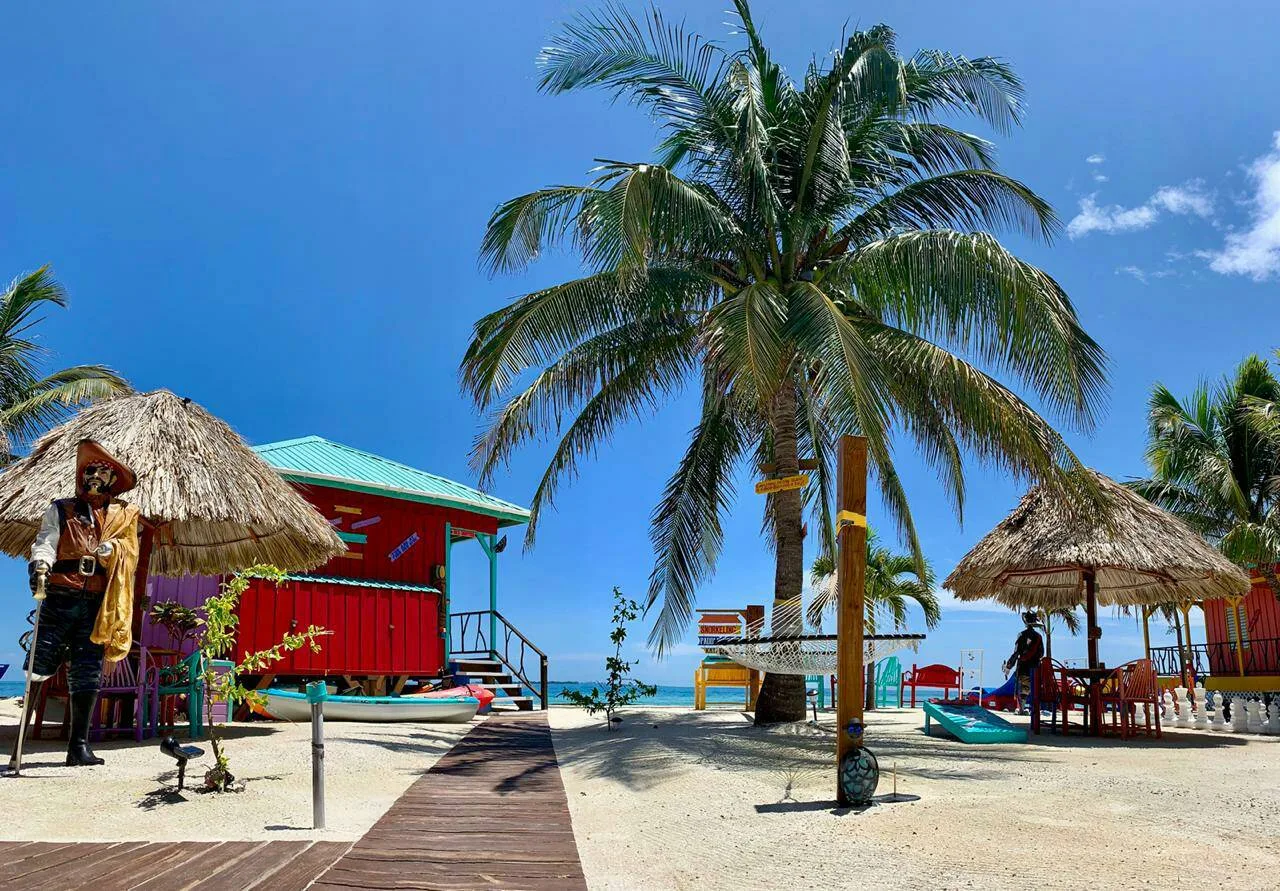
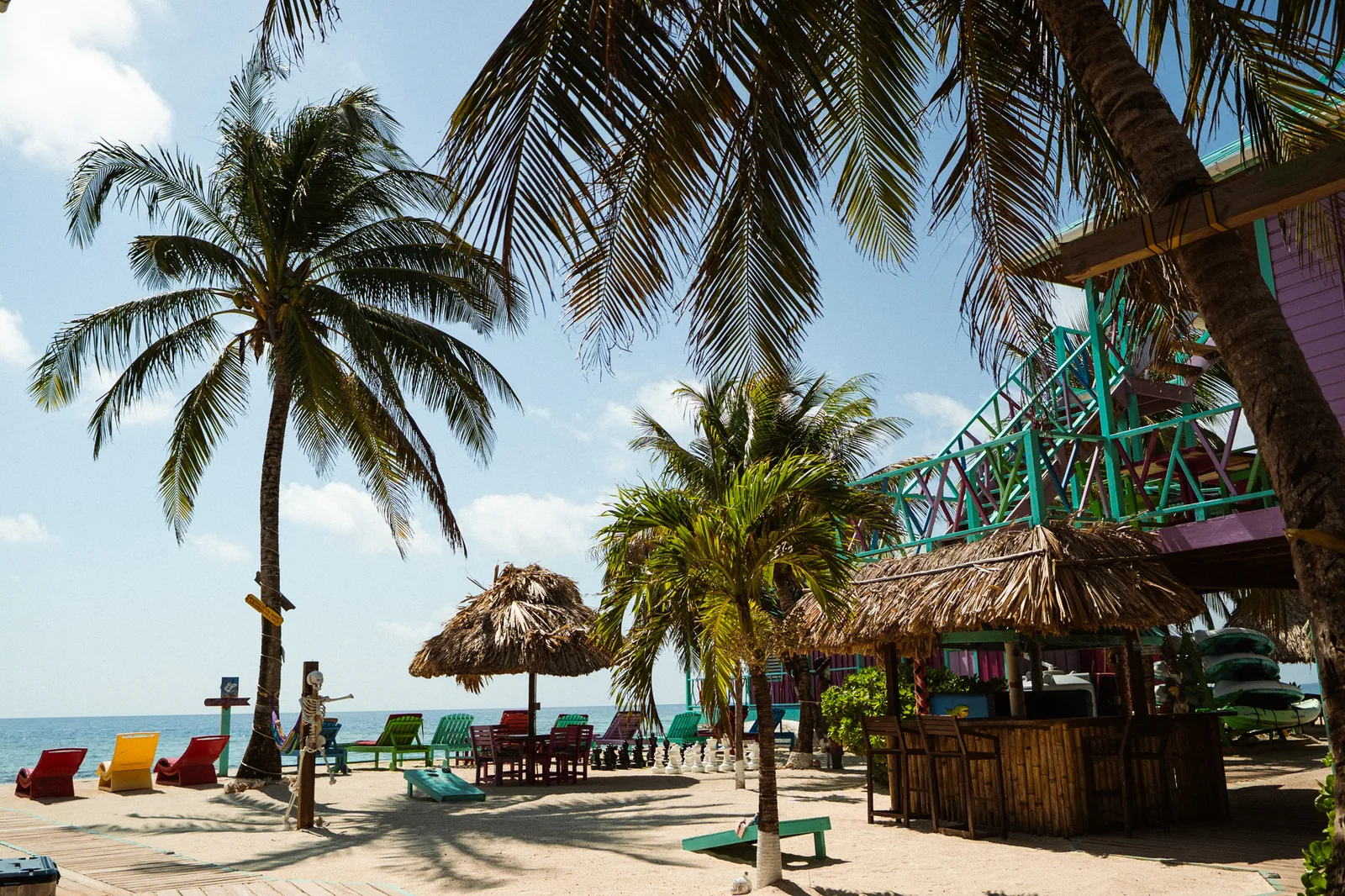
A small offshore stay can be particularly appealing for travelers who want water access woven into their day rather than reserved for one scheduled tour. At King Lewey’s Island Resort, about 12 miles offshore from Placencia, guests can snorkel around the island, use complimentary overnight kayaks and paddleboards, and may see nurse sharks, rays, tropical fish, or occasional turtles in the surrounding Caribbean water. Those sightings are never guaranteed, and reef excursions are a separate experience arranged with independent operators. For couples, families, or small groups, the trade-off is clear: more immediate time on the water and a quieter island setting, in exchange for fewer on-site options than a large mainland resort.
When Is the Best Time to Look for Wildlife?
There is no single perfect wildlife season because different species and habitats respond differently to rainfall, water clarity, temperature, and migration patterns. Instead of choosing dates solely around one animal, plan around the style of trip you want.
Dry-season travel is often attractive to visitors seeking sunny beach days and more predictable time on the water, although weather can change quickly in the Caribbean. Rainier periods can bring greener landscapes and active birdlife, but also more variable boating and visibility conditions. If snorkeling is central to your trip, ask local operators about recent water conditions shortly before you go rather than relying on a broad seasonal rule.
Time of day can be just as useful as time of year. Sunrise and the hours after it are often rewarding for birds and more comfortable for a mangrove paddle. Midday can bring bright light for spotting into clear water, while late afternoon boat rides can feel cooler and more relaxed. Wildlife does not perform on command, but a flexible schedule improves your chances of being in the right habitat when conditions are good.
How to Watch Wildlife Without Disturbing It
Belize’s marine and coastal habitats are part of what makes a Placencia vacation memorable. They also need visitors to act thoughtfully. The best wildlife encounter is one that leaves the animal behaving naturally after you move on.
Keep several simple habits in mind. Do not feed wildlife, stand on coral, collect shells or marine creatures, or use a drone near birds and animals without understanding local rules. Wear a rash guard or other sun protection when possible, which can reduce the amount of sunscreen entering the water. If you do use sunscreen, choose an option designed for reef-conscious use, while recognizing that no product replaces careful behavior in sensitive areas.
On a boat, listen when a guide asks guests to remain seated, lower their voices, or give an animal more space. Underwater, float calmly rather than kicking hard toward a ray, turtle, or shark. A photograph is never worth stressing an animal or damaging habitat.
What to Pack for a Placencia Wildlife Day
Comfortable sun protection, a reusable water bottle, polarized sunglasses, a dry bag, and a light long-sleeve layer will cover most outings. Polarized lenses can reduce glare and make it easier to spot shapes beneath the surface from a boat or dock. Bring a waterproof phone case only if you can use it safely; otherwise, enjoy the moment and leave the photo to the guide when appropriate.
For snorkeling, ask in advance whether gear is supplied and whether you need fins, a flotation device, or a wetsuit-style layer for comfort. Families should be honest about children’s confidence in the water. A short, sheltered snorkel or a boat ride with wildlife viewing can be more enjoyable than pushing an inexperienced swimmer into a long open-water session.
Placencia is at its best for travelers who like their wildlife encounters unscripted: a flash of silver fish beneath a paddleboard, a heron lifting from the mangroves, or a ray passing quietly below a boat. Leave room in the itinerary for those moments, and the region has a way of making the wait worthwhile.

Comments