
The Complete Guide to Fly Fishing Placencia, Belize (2026)

Updated: Aug 28

The first time a tailing permit materializes on a Placencia flat, everything you thought you knew about fly fishing changes. The fish appears as a ghost, a dark shape tilting forward to root crustaceans from the marl bottom, its scythe-like dorsal fin cutting the surface. Your heart hammers. Your guide whispers direction. You make one shot, and it either happens or it doesn't. That single moment, repeated across thousands of acres of pristine Caribbean flats, is why fly fishing Placencia Belize has become a bucket-list pilgrimage for saltwater anglers worldwide. This guide covers everything you need to plan your trip: seasons, species, pricing, guides, gear, lodging, and the honest truth about going it alone versus hiring a boat.
Why Placencia Is a World-Class Fly Fishing Destination
Belize's southern coast holds some of the healthiest flats in the Caribbean, and Placencia sits at the center of it all. The country's forward-thinking conservation measures tell much of the story. Since 2009, Belize has enforced mandatory catch-and-release legislation for bonefish, permit, and tarpon, while also restricting gill nets in key areas. The result has been a documented increase in both fish populations and average sizes, a claim few other Caribbean destinations can make with the same confidence.
Placencia earned its reputation on the backs of permit. In 2007, Fly Fishing in Saltwater magazine named Belize one of the ten best permit destinations on the planet, and the shallow flats stretching south from the peninsula remain the primary reason anglers make the journey. Watching a permit tail in six inches of water, then presenting a fly without spooking it, is the sport at its most demanding and most rewarding.
The fishery itself is remarkably diverse. Within a twenty-minute boat ride, you can be poling across hard sand flats for bonefish, working mangrove edges for juvenile tarpon, or scanning deeper channels for snook and barracuda. The lagoon system behind the peninsula adds another dimension, offering protected water when wind kicks up on the outside. And unlike remote atoll destinations that require liveaboard stays or expensive package weeks, Placencia is a real town with restaurants, bars, and direct access from the United States. Fly into Belize City from Miami, Dallas, Houston, Chicago, Los Angeles, Atlanta, Newark, or Charlotte, then catch a forty-five-minute local flight on Maya Air or Tropic Air to Placencia's airstrip. You can be on the water the same afternoon you leave home.
Best Times for Fly Fishing in Placencia, Belize
The most common claim you will hear from guides and lodges is that Placencia offers productive fishing three hundred and sixty-five days per year. That is technically true. Fish are always present. But if you are spending significant money on a trip, you want to stack the odds. Timing matters.
Permit Season (April through October)
April through October delivers the most consistent permit fishing on the southern flats. Warming water temperatures push permit into the shallows to feed, and the classic tailing behavior that makes Placencia famous peaks during these months. Late spring and early summer offer the added bonus of calmer winds and crystal-clear water, which makes spotting fish dramatically easier. By August and September, water temperatures can climb into the mid-eighties, and permit activity remains high, though afternoon thunderstorms become more frequent. If permit is your primary target, book within this window.
Tarpon Season (June through August, with Year-Round Presence)
Resident tarpon live in the lagoon and river systems around Placencia all year, but the migratory fish that push the action from good to spectacular arrive in early summer. June, July, and August are the peak months, when rolling fish become a common sight and the odds of hooking a larger adult improve. Early morning and late afternoon sessions tend to produce the best surface action, though overcast days can extend the bite window. Outside of summer, you will still find juvenile tarpon in the backcountry, and they provide excellent sport on lighter rods.
Bonefish Season (Year-Round, Optimal March through November)
Bonefish are the constant. They are available every month, and if weather shuts down permit or tarpon, bonefish usually save the day. March through November offers the best combination of numbers and cooperative fish. Winter months from December through February can still produce, especially on warmer, sunny days, but the fish tend to be spookier and less aggressive. Placencia bonefish run smaller than those on Turneffe Atoll, averaging six inches to a couple of pounds, but they are plentiful and provide excellent sight-fishing practice.
Weather Considerations and North Fronts
The biggest weather variable in Placencia is the north front. From late November through early March, cold fronts push down from North America, dropping temperatures, kicking up wind, and sometimes shutting down the bite for two or three days at a stretch. These fronts are unpredictable in duration and intensity, but they are a real factor for winter trips. September and October carry the highest hurricane and tropical storm risk, though guides note that fishing can be surprisingly aggressive immediately before and after a storm passes. Average air temperatures range from seventy to ninety-five degrees Fahrenheit year-round. For the calmest winds, target February through early September. Moon phases and tides also play a significant role. New and full moons produce the strongest tidal movement, which concentrates fish and creates better feeding opportunities. When possible, plan your trip dates around these lunar cycles for optimal conditions.

Target Species: What You Will Catch on Placencia Flats
Permit: The Holy Grail
Permit are the reason most anglers choose Placencia over other Belizean destinations. The fish is famously difficult, a combination of keen eyesight, finicky feeding behavior, and blistering power that humbles even experienced casters. The signature Placencia experience is sight-fishing to tailing permit on shallow flats, where the fish tips forward to feed and exposes its tail above the surface. The shot demands stealth, an accurate cast placed within inches of the fish's nose, and the composure to strip the fly naturally without yanking it away when the permit turns to eat. Since the 2009 catch-and-release regulations took effect, permit populations have thrived, and guides report larger average sizes than a decade ago.
Bonefish: The Reliable Favorite
If permit fishing is the high-stakes exam, bonefish are the warm-up quiz that builds confidence. They are often the first species encountered on a typical day, and their willingness to eat a well-presented fly makes them ideal for anglers of all skill levels. Schools range from singles and small groups to massive pods that darken the flat. The clear water around Placencia provides excellent visibility, and watching a bonefish track your fly, then accelerate to eat it, never gets old.
Tarpon: The Silver King
Placencia's tarpon fishery ranges from juvenile fish in the ten-to-thirty-pound range to adults pushing eighty pounds or more. Summer months bring the highest concentrations, and the visual thrill of a tarpon rolling on the surface, then crashing a fly, is unforgettable. These fish demand a solid strip set and the ability to clear line fast, because the first jump often decides whether the hook holds.
Grand Slam Potential
Catching a bonefish, permit, and tarpon in a single day is the saltwater fly fishing achievement, and Placencia offers legitimate Grand Slam potential. The best windows are spring and early summer, when all three species are active and overlapping on the same flats and channels. Even if the single-day slam eludes you, a trip slam across multiple days is a realistic goal with a skilled guide and cooperative weather.
Fly Fishing Trip Pricing and Guide Options in Placencia
Standard Guided Trip Rates (2026)
Guided fly fishing in Placencia follows a straightforward pricing model. Full-day trips cost $675 USD per boat, with a maximum of two anglers. Half-day trips run $590 USD per boat. A specialized cruise ship trip, designed for passengers arriving via shuttle from the cruise terminal, costs $630 USD for five to six hours of fishing. These rates typically include the guide, boat, lunch, snacks, and basic gear: rods, reels, leaders, tippet, and a starter fly selection. Gratuity is not included and should be budgeted separately, with fifteen to twenty percent of the trip cost being standard for good service.
What Is Included and What to Bring
Guides supply rods in the eight-to-ten-weight range, quality reels with floating and sinking lines, and terminal tackle. That said, serious anglers should bring their own flies and any personal tackle they trust. The fly selection provided by guides covers the basics, but having a well-stocked box with proven patterns gives you options when conditions change. Some guides, particularly those with long family histories in the area, hand-tie their own flies based on decades of local knowledge. This artisanal touch can make a difference on tough days. Left-handed casters should confirm accommodation when booking. Several guide services, including Charlie Leslie's operation, explicitly handle both right and left-handed anglers, but not all boats are set up for it.
Comparing Top Guide Services
Blue Horizon Belize maintains the strongest online presence, with transparent pricing and a specialty in both standard day trips and cruise ship excursions. Charlie Leslie is a long-established local name, with testimonials emphasizing personalized service, hand-tied flies, and guides who have worked the same waters for decades. Several independent guides also operate out of Placencia, and booking through a lodge or hotel can provide vetted recommendations. No single source publishes a side-by-side comparison of success rates, so reading recent reviews on travel forums and contacting guides directly before booking is the smart approach. Ask about their experience with your target species, their boat setup, and their policy on weather cancellations.
DIY Fly Fishing in Placencia: Is It Feasible?
The short answer is yes, with significant caveats. The longer answer is that most anglers will catch more fish, waste less time, and spend money more efficiently by hiring a guide.
The flats that hold fish in Placencia require boat access. From town, you are looking at fifteen to twenty minutes of running time to reach productive water. Wadeable flats do exist, but public access points are limited, and many of the best areas are only reachable by boat. Renting a kayak or microskiff is an option for experienced anglers who understand tides and navigation, but the learning curve is steep. Getting stranded on a falling tide or lost in mangrove channels is a real risk without local knowledge.
Cost is another factor. A full-day guided trip at $675 split between two anglers comes to $337.50 per person. When you factor in the cost of renting a boat, buying fuel, and sourcing gear, the DIY approach rarely saves enough money to justify the drop in productivity. Discussions on Reddit, Washington Fly Fishing forums, and Microskiff threads consistently recommend booking a guide for at least the first day. You will learn the water, understand the tides, and get a realistic sense of where fish hold. After that, if you still want to explore on your own, you will do so with far better information.
Essential Fly Patterns and Gear for Placencia
Recommended Fly Patterns
For permit, pack crab patterns in tan, olive, and brown. The Merkin, Raghead Crab, and Del's Merkin in sizes four and six are standards. Bring both weighted and unweighted versions to match different depths and current speeds. For bonefish, Gotchas, Crazy Charlies, and Bonefish Bitters in pink, tan, and chartreuse, sizes six and eight, cover most situations. Small, sparsely tied patterns often outperform bulkier flies when fish are pressured. Tarpon flies should include Black Death, Cockroach, and toad patterns in black and purple or chartreuse and white, tied on size 2/0 to 4/0 hooks. For snook and barracuda, pack Deceivers, Clouser Minnows, and EP-style baitfish patterns in white, chartreuse, and blue and white combinations.
Rod, Reel, and Line Recommendations
An eight-weight rod handles bonefish and smaller permit. A nine or ten-weight is ideal for permit in deeper water or when wind picks up. For tarpon, a ten to twelve-weight with a strong butt section is necessary. If you are packing light, a single nine-weight setup with a floating line can cover most situations, though you will be under-gunned for larger tarpon. Floating lines work for bonefish and permit on shallow flats. Bring an intermediate or sinking-tip line for deeper channels and tarpon. Reels must have smooth, strong drags. Permit and tarpon make long, powerful runs, and a sticky drag will cost you fish.
Personal Gear Checklist
Polarized sunglasses are non-negotiable. Amber or copper lenses perform best in flat light and overcast conditions, while dark lenses suit bright tropical sun. Sun protection should be comprehensive: SPF fifty-plus sunscreen reapplied hourly, a long-sleeve sun shirt, and a wide-brimmed hat. Insect repellent with DEET is essential, especially at dawn and dusk when mosquitoes and sand fleas are most active. Guides typically provide water, but bringing electrolyte packets helps in the heat. A lightweight rain jacket handles sudden tropical showers that pass as quickly as they arrive.
Where to Stay: Angler-Friendly Accommodations in Placencia
Placencia offers lodging across a spectrum of styles and budgets, but anglers have specific needs that not every property meets. Several boutique lodges cater directly to fly fishers, offering guided trip packages, secure rod storage, early breakfasts before departure, and dock access for guide pickups. These properties tend to book well in advance during peak season, so early reservations are wise.
Vacation rentals, including condos and private houses along the sixteen-mile peninsula, provide flexibility for groups and families. Look for properties on the lagoon side if possible. They offer direct access to protected water and shorter boat rides to fishing grounds. Hotels near the lagoon also tend to be quieter and closer to guide meeting points.
When evaluating accommodations, prioritize dock access, a place to rinse and store gear, and proximity to where guides launch. If you are traveling with non-angling companions, Placencia has plenty to keep them occupied: beach bars, snorkeling trips to the Belize Barrier Reef, scuba diving, and cultural experiences including Garifuna drumming and dance in the nearby village of Seine Bight. The Placencia sidewalk, a narrow pedestrian path running through the village, connects restaurants, art galleries, and craft markets.
Non-Fishing Activities for Traveling Companions
The Belize Barrier Reef sits a short boat ride from Placencia, and the snorkeling and scuba diving are world-class. Coral gardens, reef fish, and seasonal whale shark sightings make for memorable days on the water without a fly rod. The peninsula itself offers uncrowded sandy beaches and beachfront bars where a cold Belikin beer and a plate of fresh ceviche solve most problems.
Dining in Placencia leans heavily on seafood. Lobster, conch, and snapper appear on nearly every menu, and the annual Placencia Lobster Festival in June draws visitors from across the country. For cultural experiences, visit Seine Bight to hear traditional Garifuna drumming and sample hudut, a coconut fish stew. Cockscomb Basin Wildlife Sanctuary, the world's first jaguar reserve, lies an hour inland and offers hiking trails through dense tropical forest. Monkey River tours and birdwatching excursions round out the nature options.
Health, Safety, and Travel Tips for Placencia
Placencia has a small clinic capable of handling minor medical issues. Serious emergencies require evacuation to Belize City, either by air ambulance or local flight, so comprehensive travel insurance with medical evacuation coverage is strongly recommended. The tropical sun is intense year-round. Reapply sunscreen hourly, even on overcast days, and watch for signs of heat exhaustion during midday sessions.
Mosquitoes and sand fleas are a reality, particularly at dawn and dusk. A DEET-based repellent applied before leaving your room makes a significant difference. Drink bottled or filtered water and avoid tap water for drinking and brushing teeth. US citizens need a valid passport with at least six months of remaining validity. No visa is required for stays under thirty days.
Frequently Asked Questions About Fly Fishing Placencia, Belize
What is the best month for fly fishing in Placencia?
April through October for permit, June through August for tarpon, and March through November for bonefish. February through early September offers the calmest winds overall.
Can beginners go fly fishing in Placencia?
Yes. Bonefish provide an excellent introduction to saltwater fly fishing, and local guides are experienced at teaching casting and sight-fishing techniques to anglers of all skill levels.
Do I need to bring my own fly rod?
Guides provide rods and reels, but bringing your own familiar setup improves comfort and performance. Confirm with your guide what gear they supply before packing.
Is catch and release mandatory in Belize?
Yes. Since 2009, bonefish, permit, and tarpon must be released. Gill net restrictions have also contributed to healthier fish populations.
How do I get to Placencia from the US?
Fly into Philip S. W. Goldson International Airport in Belize City from major US hubs, then take a forty-five-minute local flight on Maya Air or Tropic Air to Placencia Airport.
What is the difference between Placencia and Turneffe Atoll for fly fishing?
Placencia offers better permit fishing and a town-based experience with dining, nightlife, and activities for non-anglers. Turneffe Atoll is the superior bonefish destination, with larger fish averaging three pounds and growing past ten pounds, but it requires a remote lodge stay.
Final Tips for Planning Your 2026 Fly Fishing Trip to Placencia
Book guides and lodging three to six months ahead, especially if your dates fall between April and August. Monitor weather patterns as your trip approaches and build flexibility into your schedule. A five-day trip with three or four fishing days allows room for weather delays and rest. Communicate openly with your guide about your target species, skill level, and any special requirements like left-handed casting or specific fly patterns you want to fish.
Consider combining Placencia with a few days at Turneffe Atoll or Ambergris Caye for a multi-destination trip that samples the best of Belize's diverse fisheries. Before booking, spend time on forums like the Belize subreddit and fly fishing message boards. Recent trip reports and guide recommendations from other anglers provide real-time insight that no brochure can match. The fish are there. The flats are healthy. With the right planning, your shot at a tailing permit on a glass-calm morning is closer than you think.
Helpful links
King Lewey's Island Resort Quick Facts
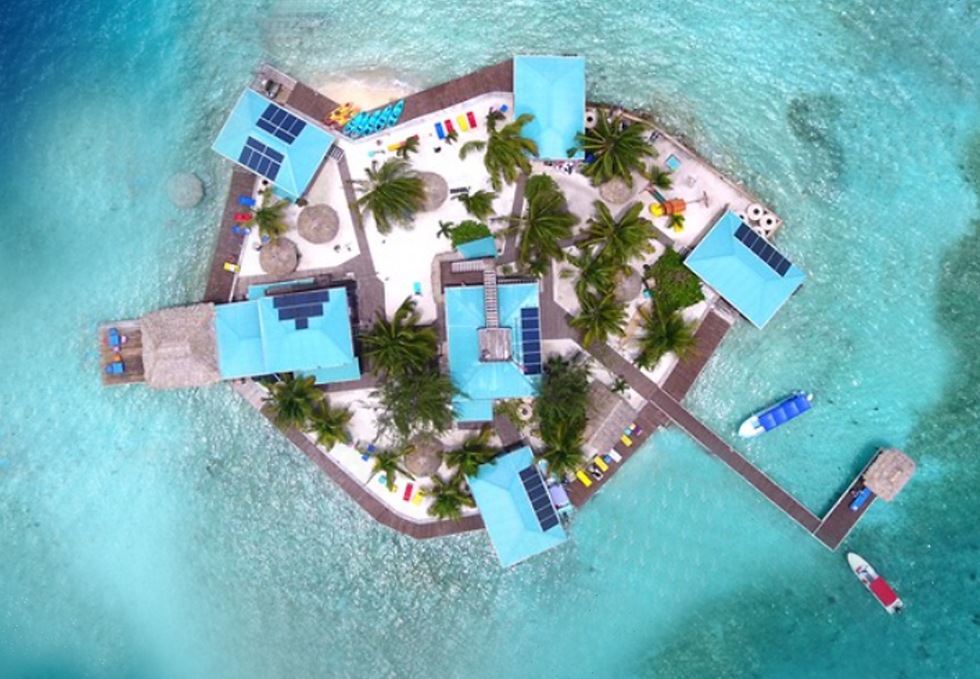
Location:: Private island approximately 12 miles offshore from Placencia, Belize
Guest Rating:: 4.8 stars on Google across hundreds of guest reviews
Accommodations:: 4 overwater cabanas plus a 3-bedroom suite (7 bedrooms total)
Maximum Overnight Guests:: Up to 22 guests
Overwater Cabanas:: Starting around $345 per night (seasonal pricing applies)
Perfect For:: Couples, families, multi-generational vacations, friend groups, reunions, destination weddings, and corporate retreats
Water:: Crystal-clear turquoise Caribbean water surrounds the island
Water Activities:: Complimentary kayaks, snorkeling, swimming, paddleboarding, fishing, and island adventures
Type of Resort:: Private island resort on the Caribbean Sea
Signature Features:: Crystal-clear turquoise Caribbean water, 42-foot waterslide, overwater swings, and easy access to the Belize Barrier Reef
Dining:: Open-air island restaurant and bar with a 4.8-star Google rating across hundreds of guest reviews
Island Coordinates:: 16.601° N, 88.184° W
Sargassum:: Offshore location remains free of significant sargassum due to surrounding currents and island geography
Nearest Town:: Placencia, Belize
Belize Barrier Reef:: Located near the world's second-largest barrier reef system
Getting There:: Approximately 40-minute boat ride from Placencia
About King Lewey's Island Resort
King Lewey's Island Resort is a private island resort located approximately 12 miles offshore from Placencia, Belize, offering overwater cabanas, private island rentals, all-inclusive vacation packages, island dining, snorkeling, fishing, kayaking, and unforgettable Caribbean experiences. Surrounded by the crystal-clear waters of the Belize Barrier Reef, the resort is one of Belize's premier destinations for couples, families, multi-generational vacations, friend groups, destination weddings, reunions, and corporate retreats. Guests can reserve a private overwater cabana or rent all seven island bedrooms—including four overwater cabanas and a three-bedroom suite—for groups of up to 22 overnight guests. Known for its authentic Belize hospitality, exceptional snorkeling, turquoise Caribbean water, and outstanding 4.8-star Google rating across hundreds of reviews, King Lewey's Island Resort offers one of the Caribbean's most unique and affordable private island vacation experiences.


Comments