

A Small Island Wedding Example for 22 Guests

A small island wedding example is most useful when it feels like a real trip, not a styled photo shoot. Picture 18 to 22 guests arriving by boat, dropping bags in overwater rooms, and gathering that evening for dinner beside turquoise water. The ceremony may last 20 minutes. The memories come from the unhurried days around it: coffee over the water, swims between conversations, a shared snorkel, and one last round at the bar before everyone heads home.
For couples who want a wedding that doubles as a meaningful group vacation, a tiny offshore resort can be a beautiful fit. It also asks more of the hosts than a large all-inclusive does. You will need to think through room assignments, boat timing, meal plans, privacy, and what happens if wind or rain changes the plan. Here is what a practical three-night celebration for up to 22 guests can look like.
A small island wedding example: the right size and setting
This example suits a couple inviting immediate family, closest friends, and perhaps a few children. Rather than bringing 80 people together for one reception, the goal is to create a shared island house-party feeling where everyone is already part of the celebration.
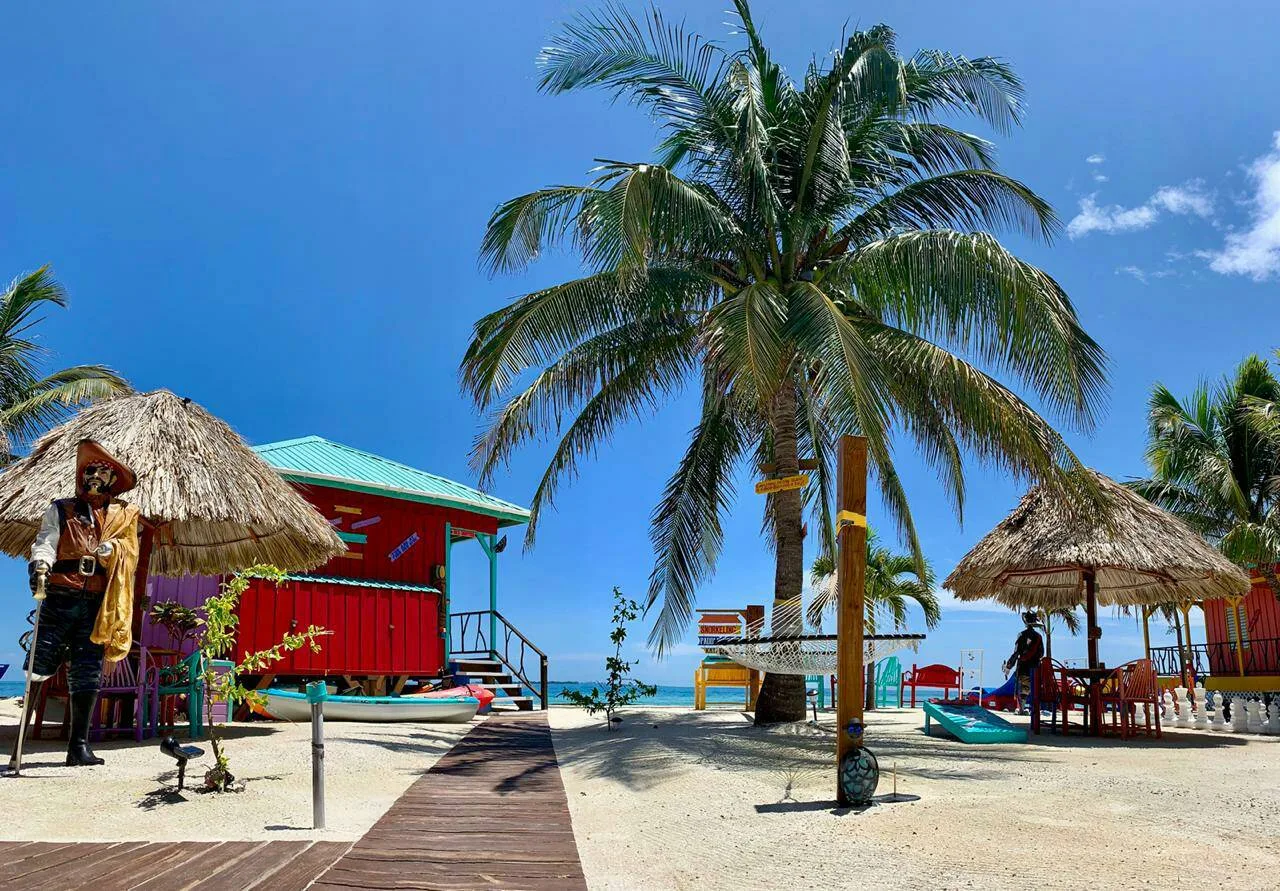
At King Lewey's Island Resort, approximately 12 miles offshore from Placencia, Belize, the full property has four overwater cabanas and a three-bedroom Island Suite, for seven bedrooms and up to 22 overnight guests. Each cabana has one king bed, one full bed, and a private bathroom, which can work well for couples, small families, or friends comfortable sharing a room. Overnight guests receive complimentary round-trip boat transfers from Placencia, a meaningful convenience when luggage, formal attire, and several generations are involved.
The guest count is not just a number. On an island this size, 22 people feel connected. There is no disappearing into separate hotel wings or meeting only at the reception. That intimacy is the appeal, but it is also the trade-off. Couples should be thoughtful about inviting people who will enjoy close quarters and a relaxed, water-centered stay.
The three-night wedding weekend
Day one: Arrival, settling in, and a welcome dinner
Plan arrivals around the scheduled boat transfer rather than asking guests to arrive at widely different times. A shared departure from Placencia starts the event together and makes logistics easier for everyone. Guests can settle into their rooms, change into resort-casual clothes, and get their bearings before the first gathering.
Keep the welcome evening simple. A waterfront dinner gives people time to reconnect without the pressure of a formal rehearsal dinner. If you choose an optional meal package, confirm exactly which meals, beverages, service timing, and dietary accommodations are included before sending details to guests. A rooms-only stay and an all-inclusive-style package create very different expectations, so clarity matters.
This is also the best night for a brief welcome toast and a practical orientation. Let guests know when the ceremony begins, where shoes are useful, whether children need supervision near docks and water, and what the weather backup plan will be. That may not sound glamorous, but it lets everyone relax.
Day two: A slow morning and an island ceremony
A small island ceremony works best when the schedule leaves room for the island itself. Start late enough that guests can have breakfast, kayak, paddleboard, or take a swim before getting ready. At King Lewey's, overnight guests have complimentary access to kayaks, paddleboards, and snorkeling gear, while snorkeling around the island can bring sightings of tropical fish, rays, nurse sharks, and occasionally turtles. Marine life is never guaranteed, but the water is part of the experience rather than a backdrop viewed from afar.
For the ceremony, favor a time chosen for comfort and light rather than tradition alone. Midday can be bright and hot in the Caribbean. A later-afternoon ceremony often gives guests more time to get ready and can feel gentler, though sunset timing shifts through the year. Ask your photographer and local vendors what works at your date and location.
The ceremony itself can stay personal and short: a processional from the cabanas, a simple arch or floral arrangement if your vendors can transport and secure it, vows, rings, and a toast. Confirm in advance what décor, amplified music, furniture, power, permits, officiant arrangements, and cleanup are possible. Small islands are wonderfully atmospheric, but they do not carry the same inventory as a mainland ballroom.
Afterward, build in a generous gap before dinner. Guests will want photos, a dip in the water, and time to cool down. A 42-foot waterslide and overwater swings may not be part of every wedding vision, but they are exactly the kind of detail that makes a private-island celebration feel less staged and more joyful.
For dinner, choose a format that encourages everyone to mingle. A long-table meal can feel intimate for a group this size, while a more flexible reception suits families with young children and guests who would rather move between the waterfront restaurant, Black Pearl Bar, and tiki bar. Discuss menu style, drink service, music, cake delivery, and end time with the property and your vendors well before the trip.
Day three: The day guests remember most
The day after the wedding should not be an afterthought. It is when the trip shifts from event to vacation. Some guests may want a quiet morning with a book and warm ocean breezes. Others may want to snorkel, paddle, or arrange an independent fishing, diving, island-hopping, or reef-snorkeling outing. Local independent operators can arrange dock pickup and return in some cases, but availability, routes, weather, and minimum group sizes should be confirmed directly.
This is an important distinction for Belize planning. The resort is near the Belize Barrier Reef region, not directly on the reef. Snorkeling around the island offers an easy, spontaneous water activity; dedicated reef excursions travel to reef environments. Both can belong in the same wedding weekend, but they are different experiences.
For a farewell dinner, skip a second formal reception. A casual shared meal lets everyone relive the ceremony, trade photos, and enjoy the fact that no one has to rush to a shuttle or separate hotel tower. It is often the most relaxed evening of the trip.
Privacy is a booking choice, not an assumption
This is the planning point couples most often overlook. Booking several rooms or even all available accommodations is not automatically the same as having an entirely private island during the day. Regular stays and rooms-only island rentals can permit day visitors. If your ceremony, reception, or group time requires exclusive use, an exclusive island buyout is the option to ask about.
That distinction affects both atmosphere and budget. An exclusive buyout offers greater control over who is on the property and how the day flows. Individual accommodations or an all-room rental may cost less and can work perfectly for couples who do not mind a more social resort setting. Neither choice is universally better. It depends on whether privacy is central to the wedding vision or simply a nice extra.
Build a weather plan that still feels festive
Caribbean weather is part of the setting, and it deserves practical respect. Wind, showers, heat, and changing sea conditions can affect boat travel, ceremony comfort, décor, and excursions. Rare sargassum accumulation may be less common in some offshore settings, but no resort can promise a seaweed-free shoreline or perfect water every day.
A good backup plan is not a disappointing substitute. Think of it as a second version of the celebration: a covered or indoor-adjacent dinner arrangement, simpler flowers, flexible photography windows, and an excursion-free block around the ceremony. Encourage guests to bring breathable outfits, sandals with grip, sun protection, and one light layer for breezy boat rides.
Who should choose this kind of wedding?
A small island celebration is especially compelling for couples who value shared time more than a packed reception program. It suits families who want a reunion wrapped around the wedding, friend groups that enjoy water activities, and couples who would rather spend on an extended stay than a single elaborate evening.
A large all-inclusive may be the better fit for a bigger guest list, multiple restaurant choices every night, extensive kids' programming, easy airport transfers, or guests who prefer predictable resort entertainment. A small island requires a boat transfer and offers fewer places to disappear for alone time. In return, it offers a level of togetherness that is hard to recreate at a large property.
The most successful island weddings are not the ones that imitate a ballroom reception over water. They let the island set the pace: fewer formalities, more time together, and room for the unexpected moment that becomes everyone's favorite story.


Comments